Almost nobody discusses this case without first deciding what they think of one person, which is exactly the trap. Should a publisher face criminal charges for publishing true material? That question does not depend on whether he is likeable. The argument has run for fifteen years as though it does.
What he actually did in this story
He founded WikiLeaks in 2006 as a system for receiving material anonymously and publishing it. When the Baghdad recording arrived as part of a very large disclosure, he led the work of preparing it and presented it himself at a press conference in Washington on 5 April 2010.
He did not obtain the file from a network. He did not serve in Iraq. His role in this specific story is the role of a publisher: receive, verify, decide, release. The preparation is described here.
The case made for him
- The material was genuine and its authenticity was never disputed by anyone, including the US government.
- It documented deaths that an internal investigation had closed and that a news agency could not obtain by lawful means in three years.
- The verification work done before publication exceeded what a good deal of conventional journalism gets.
- Charging a publisher under the Espionage Act for receiving and publishing classified material describes conduct that ordinary national security reporting also involves.
The narrow claim worth defending
Not that he is admirable. Only this: publishing the 2010 recording served the public, it was done with verification, and no lawful route was going to produce it. Everything after that is judged separately.
The case made against him
- Later releases from the same leak were published with insufficient redaction, and people named in them were put at risk.
- The title Collateral Murder asserted a conclusion, which is advocacy rather than reporting.
- The indictment alleged he went beyond publishing, including an allegation about helping to crack a password.
- Separate allegations in Sweden, which were never tested at trial and were eventually dropped, shaped public opinion for a decade.
Why hero or villain is the wrong frame
Two separate questions
Was publishing this footage in the public interest? Very hard to argue otherwise. Was everything WikiLeaks did afterwards responsible? Much harder to defend. Answering one does not answer the other, and most arguments about Assange consist of two people answering different questions loudly.
It is entirely coherent to believe that the 2010 release was right and that the later handling of unredacted material was reckless. It is also coherent to think he behaved badly in various ways and that prosecuting a publisher under a 1917 espionage statute is dangerous regardless. Those are not contradictions.
The question the case never answered
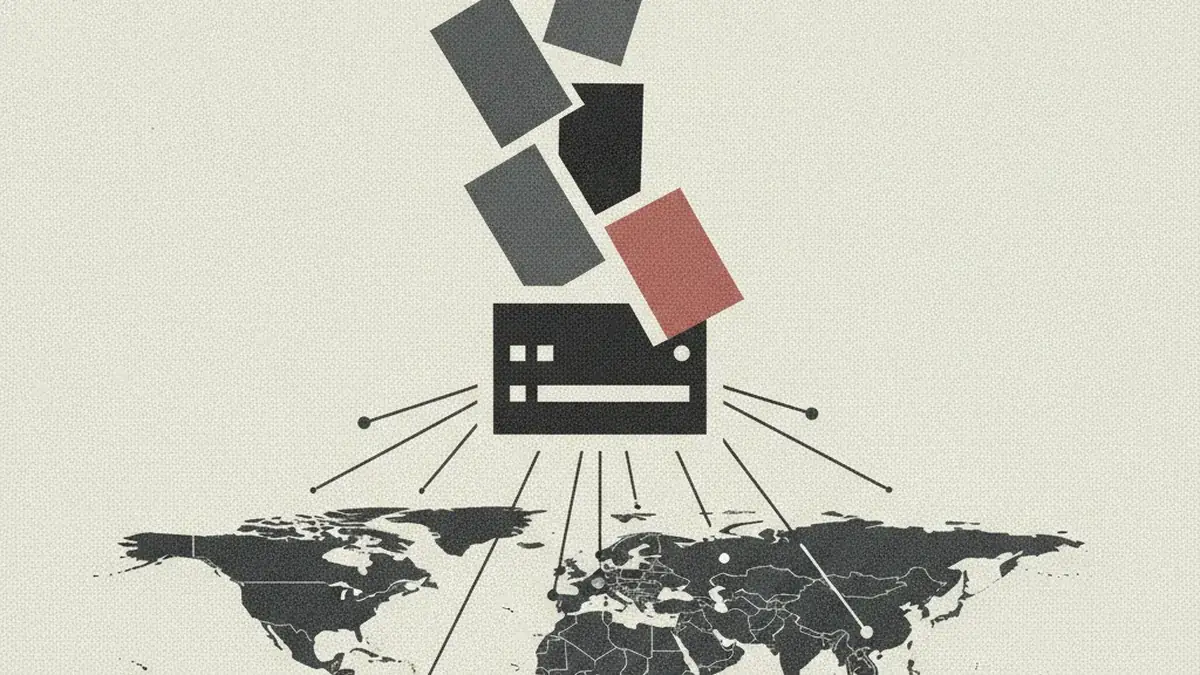
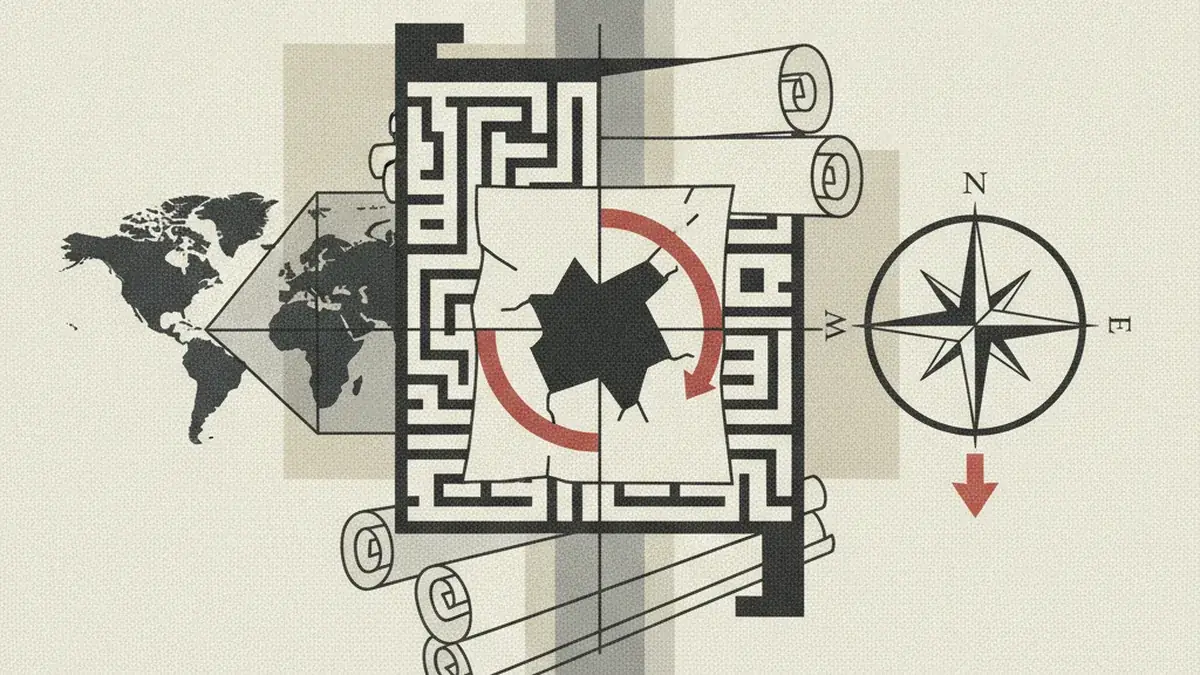
Strip away the personality and one legal question sits underneath all of it: can a government prosecute a publisher for putting true classified information in front of the public?
Before 2019 the answer in the United States had never been tested. Sources were prosecuted. Publishers were not. That was a convention, not a rule. The indictment broke the convention, and the case was widely expected to force courts to say where the line actually is.
It never did. The plea deal ended the matter without any ruling, which means the convention is now broken but no replacement exists. A future administration facing a future publisher has a precedent that a charge can be brought and no decision saying it cannot succeed. That is the practical legacy of fourteen years of litigation, and it is why organisations that dislike him intensely still describe the outcome as a bad one.
What happened to him
| Period | Where |
|---|---|
| 2010 to 2012 | In the UK, fighting extradition to Sweden |
| 2012 to 2019 | Inside the Ecuadorian embassy in London |
| 2019 to 2024 | Belmarsh prison, fighting extradition to the United States |
| June 2024 | Pleaded guilty to one count, sentenced to time served, flew home |
Fourteen years, no trial on the merits, and a resolution that avoided the constitutional question entirely. The legal timeline is here and the plea deal here.
What got lost while everyone argued about Julian Assange
The airstrike. It is genuinely striking how rarely a discussion of Assange touches the fact that two Reuters employees were killed, a man was shot for stopping to help, and two children were hurt in a front seat.
By around 2012 the story had almost entirely become a story about one man's living arrangements. Whatever you think of him, that drift served exactly one interest, and it was not the interest of anyone in the van. The footage is still there, and the questions it raises are unchanged by anything he did or failed to do afterwards.
Questions people ask about this
Did Assange hack anything to get the video?
Was he convicted?
Why do press-freedom groups defend him?
Where this comes from
- Federal court dockets and filings — CourtListener
- Freedom of the Press Foundation — Freedom of the Press Foundation
- WikiLeaks — WikiLeaks
Spotted something wrong? Tell us and we will fix it.