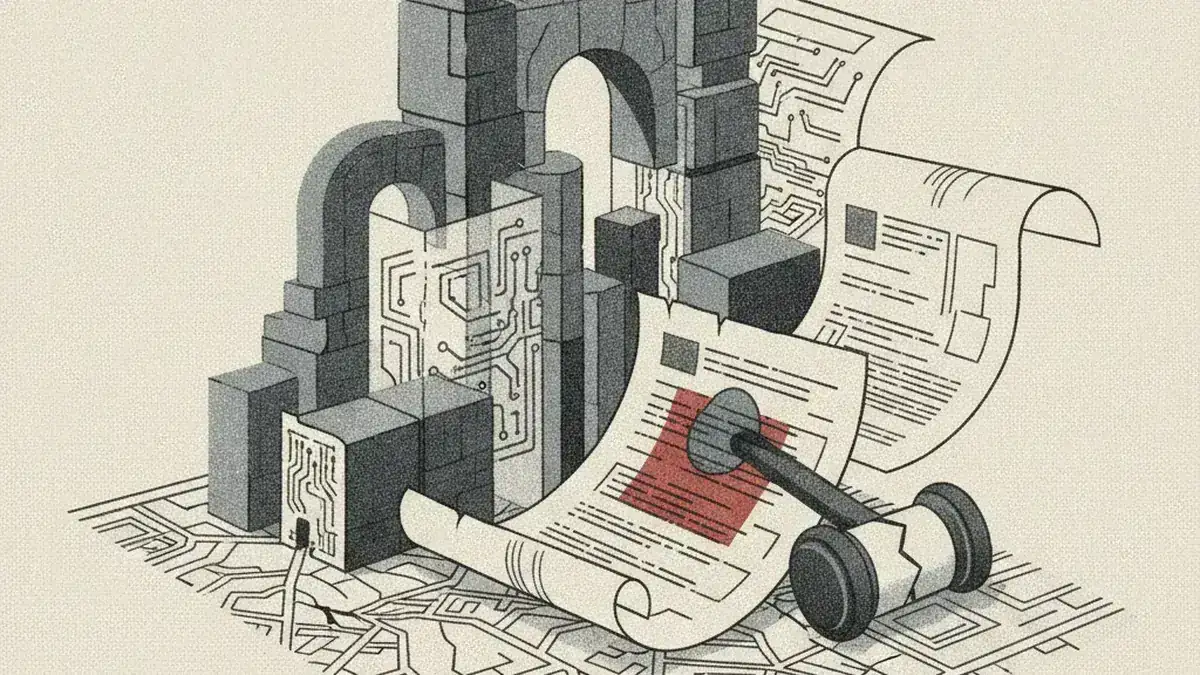
Two of the men killed on 12 July 2007 worked for Reuters. The person who later sent the video to WikiLeaks was a 22-year-old US Army intelligence analyst. A soldier who carried two wounded children out of a van spent years talking about what he saw. This section is about all of them.
Whistleblowers and Journalists
The people who were killed doing journalism, and the people who risked everything to make the footage public.
Where to start in this section
A reading order that makes sense
If you are new to the subject, these in this order will give you the whole of it. The main pages come first because everything else refers back to them.
- Namir Noor-Eldeen: The Photographer Who Was 22 By 22 he was one of the most-used photographers Reuters had in Iraq. He went out to cover fighting in his own city and … 4 min
- Saeed Chmagh: The Life and Legacy of a Reuter’s Journalist He survived the first burst of gunfire. For several minutes he was alive at the kerb, and the footage of those minutes … 4 min
- Saeed Chmagh and the Impact of War on Journalists Iraq was the deadliest war for reporters ever recorded, and most of the dead were local staff. What that meant in pract… 4 min
- Ethan McCord: From Soldier to Whistleblower He was the soldier who opened the van and found two wounded children inside. What he did next, and what it cost him, is… 4 min
- Josh Stieber and the Letter of Apology He served in the same company in the same district and was not there that morning. In 2010 he co-wrote the only apology… 4 min
The people this section is about
Names the record holds for this part of the story.
Namir Noor-Eldeen
Reuters photographer, killedAn Iraqi photojournalist on contract to Reuters, and by 22 already one of the agency's most-used photographer…

Saeed Chmagh
Reuters driver and assistant, killedA Reuters driver and fixer with four children. He survived the first burst, and was crawling at the kerb when…
Ethan McCord
US Army specialist, first to the vanAn infantryman with Bravo Company who reached the van minutes after the second engagement, found the two woun…
Josh Stieber
US Army specialist, same companyServed in the same company in the same part of Baghdad. He was not at the scene that morning, but in 2010 he …
Chelsea Manning
US Army analyst who leaked the videoAn intelligence analyst deployed east of Baghdad who found the video on a military network and sent it, with …
Adrian Lamo
The hacker who reported ManningA former hacker Manning confided in over instant messenger in May 2010. He passed the conversations to the US…
All 13 articles in whistleblowers and journalists
Everything filed under this topic, newest work first.
Namir Noor-Eldeen: The Photographer Who Was 22
By 22 he was one of the most-used photographers Reuters had in Iraq. He went out to cover fighting in his own city and never came back.
Saeed Chmagh: The Life and Legacy of a Reuter’s Journalist
He survived the first burst of gunfire. For several minutes he was alive at the kerb, and the footage of those minutes is the hardest part …
Saeed Chmagh and the Impact of War on Journalists
Iraq was the deadliest war for reporters ever recorded, and most of the dead were local staff. What that meant in practice, and what it sti…
Ethan McCord: From Soldier to Whistleblower
He was the soldier who opened the van and found two wounded children inside. What he did next, and what it cost him, is one of the few firs…
Josh Stieber and the Letter of Apology
He served in the same company in the same district and was not there that morning. In 2010 he co-wrote the only apology anyone involved has…
Bradley (Chelsea) Manning: The Whistleblower Behind the Leak
A 22-year-old intelligence analyst at a base east of Baghdad found the video on a military network and decided the public should see it. Ev…
Adrian Lamo: The Man Who Turned Manning In
A former hacker became the person Chelsea Manning confided in, then handed the conversations to the authorities. He spent the rest of his l…
The Manning Court-Martial: Verdict and Sentence
Three years after her arrest, a military judge convicted Chelsea Manning on most counts, acquitted her of the gravest, and sentenced her to…
The Commutation and Release of Chelsea Manning
Three days before leaving office, President Obama cut almost all of a thirty-five-year sentence. What a commutation is, what it is not, and…
The Role of Whistleblowers in Exposing War Crimes
Almost everything the public knows about how wars are actually fought came from someone inside who decided to talk. The law offers them alm…
Protection of Journalists and Whistleblowers in War Zones
On paper both groups are protected. In practice the protection depends on being recognised, on someone enforcing it, and on a prosecutor wi…
Reuters and the Three-Year Fight for the Footage
A global news agency lost two staff, asked to see the recording of how they died, and spent almost three years being told no. That refusal …
Press Freedom After Collateral Murder
The release made newsrooms braver and more technical, and it made the legal ground under them far less stable. Both things happened at once.
Questions this section answers
Short answers, with the long version linked
Each answer below is the summary; the link goes to the page that sets it out against the record.
How old was Namir Noor-Eldeen?
Was he wearing press identification?
Was he a Reuters employee?
Did Saeed Chmagh survive the first attack?
What was his job?
Was he armed?
Other topics in this archive
The rest of the archive, and where each one picks up.
The Incident
What happened in the sky and on the street in New Baghdad on 12 July 2007, phase by phase.
WikiLeaks and the Release
How the footage got out, how it was published, and what it did to the idea of a government secret.
Courts and Consequences
Court-martials, indictments, extradition hearings and the question nobody has answered: who was held responsible?
Ethics and the Media
What a camera in a gunsight does to an audience, and what news organisations owe the people in the frame.
The War Around It
Baghdad in 2007, the surge, the counting of the dead, and why one morning in one district looked the way it did.
The 2026 Iran War
The war that began on 28 February 2026, and the strike on a girls' school in Minab that became its defining atrocity.
Collateral Killings in History
The incidents that set the terms for how civilian deaths in war are counted, argued about and answered for.