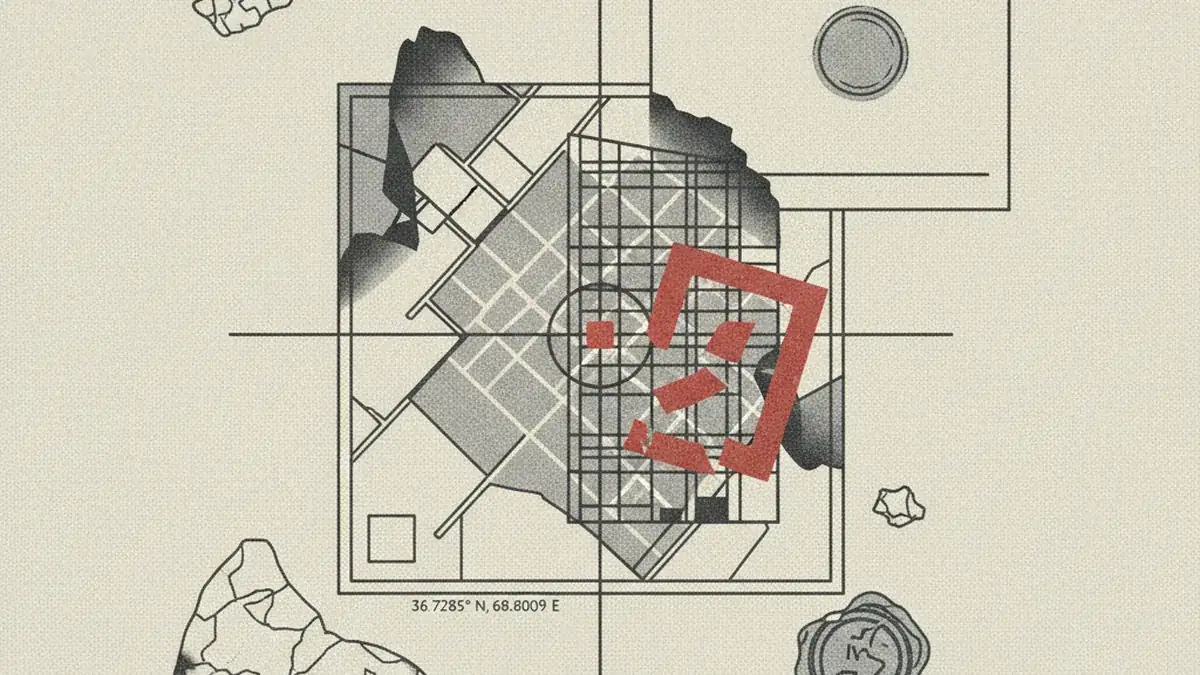
This is the one case in this index where the system worked most of the way through. There was an investigation, a prosecution, a trial and convictions, including for murder. Then a pardon undid all of it in a single afternoon.
What happened
On 16 September 2007, a convoy of armoured vehicles escorting a US State Department movement entered Nisour Square, a busy traffic circle in Baghdad. The team was employed by Blackwater, a private security company, and used the radio callsign Raven 23.
The contractors opened fire. Seventeen Iraqi civilians were killed and about twenty wounded. The scale puts it alongside the worst single incidents in this index. Among the first killed was a medical student in a car with his mother.
The two accounts
The contractors said they had come under attack and returned fire in self-defence. Iraqi witnesses, police and survivors said otherwise. There had been no incoming fire. The shooting began without provocation, and it continued as vehicles tried to leave.
Investigators found no physical evidence of incoming fire at the scene. The shooting happened in Baghdad two months after the airstrike this archive is built around, in the same city and the same year.
Why this case reached a courtroom when others did not
The difference was not the strength of the evidence. It was who the defendants were.
Contractors, not soldiers
These were employees of a private company, not service members. That removed several of the barriers that stop military cases: no combat-immunity framing, no military justice system with its own incentives, and a civilian prosecution in a US federal court under ordinary criminal law. The same facts involving soldiers would very probably have ended in an internal review.
Compare Haditha, where 24 civilians were killed by Marines two years earlier and the total punishment was a demotion.
The prosecution
| Stage | What happened |
|---|---|
| 2008 to 2009 | Charges brought, then dismissed over how evidence had been obtained |
| 2011 | An appeals court reinstates the case |
| October 2014 | Four convicted: one of first-degree murder, three of voluntary manslaughter and firearms offences |
| 2015 | Sentences handed down, including life imprisonment for the murder conviction |
| 2017 onwards | Appeals; the murder conviction is vacated and later retried |
| December 2020 | All four pardoned by the US President |
Twelve years of litigation, resolved by executive signature.
What the pardon did
A pardon does not overturn a conviction on the evidence. It removes the punishment and, in practical terms, ends the matter. There was no finding that the trial was unsound, that the witnesses were wrong or that the killings had not happened as the jury found.
Iraqi survivors and families said afterwards that it confirmed what they had assumed from the start, an outcome human rights organisations had warned about for years. It is difficult to argue with that reading: the one case that produced real convictions produced no served sentences either.
The one case that produced real convictions produced no served sentences either.On the 2020 pardons, which required no reasons and no review
Which category this belongs in
Deliberate killing. A jury found first-degree murder on one count and voluntary manslaughter on others, having heard the self-defence account and rejected it.
That is a stronger evidentiary basis than any other entry in this index. Describing Nisour Square as collateral damage would be plainly wrong, and it is described that way surprisingly often.
The question this shooting forced open
By 2007 tens of thousands of armed private contractors were working in Iraq. They guarded convoys, buildings and officials. They carried weapons and used them. And they sat in a gap between legal systems: not subject to military justice, and covered at the time by an order that limited Iraqi jurisdiction over them.
Nisour Square is what that gap looked like when it failed. The prosecution eventually proceeded under US federal law, but only after years of argument about whether any court had jurisdiction at all.
The episode reshaped how such work is regulated. It pushed the United Nations working group on mercenaries to press for binding rules on private security firms. This is the rare case here that produced institutional change, even though nobody served a sentence.
What the Nisour Square massacre settles about accountability
It removes one common explanation. People often say these cases fail for one of two reasons. The evidence is too hard to gather in a war zone. Or combat decisions cannot fairly be judged afterwards.
Here the evidence was gathered, a jury weighed it under ordinary criminal law, and it convicted. The obstacle was not evidentiary at all. It sat at the end, in a power that required no reasons and no review. The other cases in this archive fail earlier, but this one shows that succeeding all the way through is not sufficient either.
Questions people ask about this
How many died at Nisour Square?
Were the contractors convicted?
Why did this case get further than military cases?
Where this comes from
- Nisour Square massacre — Wikipedia
- Former Blackwater employee sentenced for the 2007 Nisur Square shooting — US Department of Justice
- How the Blackwater pardons could have a lasting impact — PBS NewsHour
Spotted something wrong? Tell us and we will fix it.