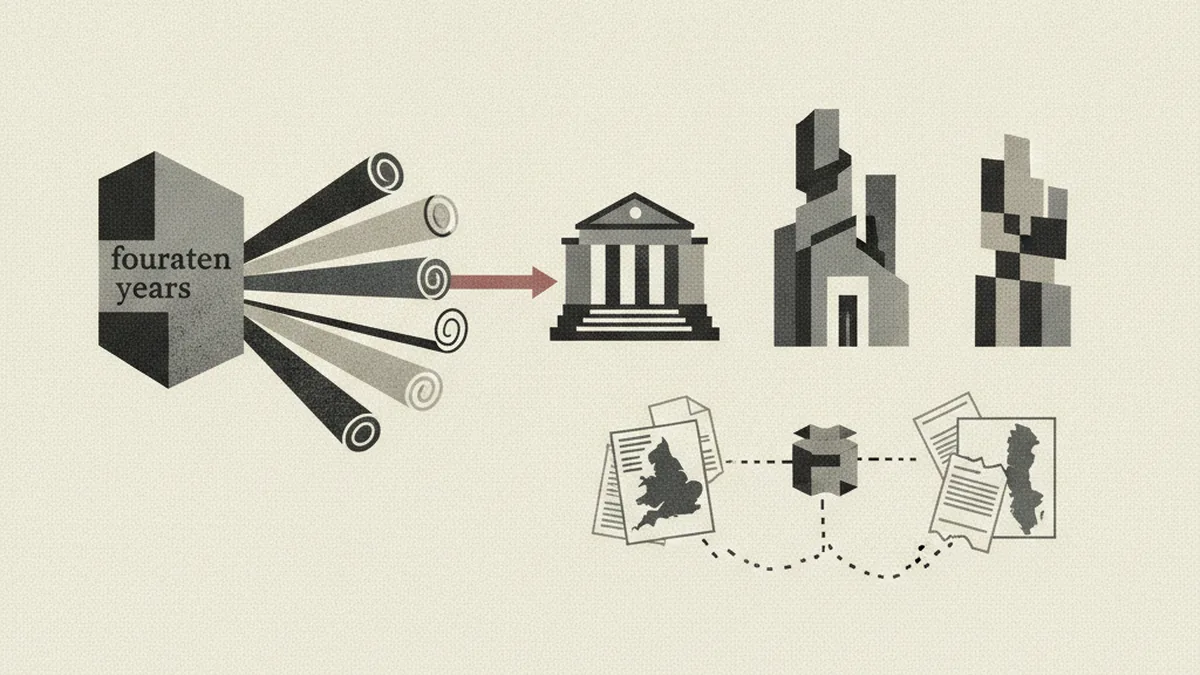
It ended in a place almost nobody could find on a map. On 24 June 2024, in a US federal courtroom in the Northern Mariana Islands, a fourteen-year legal siege was closed out in a single hearing lasting a few hours.
What he pleaded to
One count: conspiring to obtain and disclose national defence information, under the Espionage Act. The other seventeen counts and the computer-intrusion charge were resolved as part of the agreement.
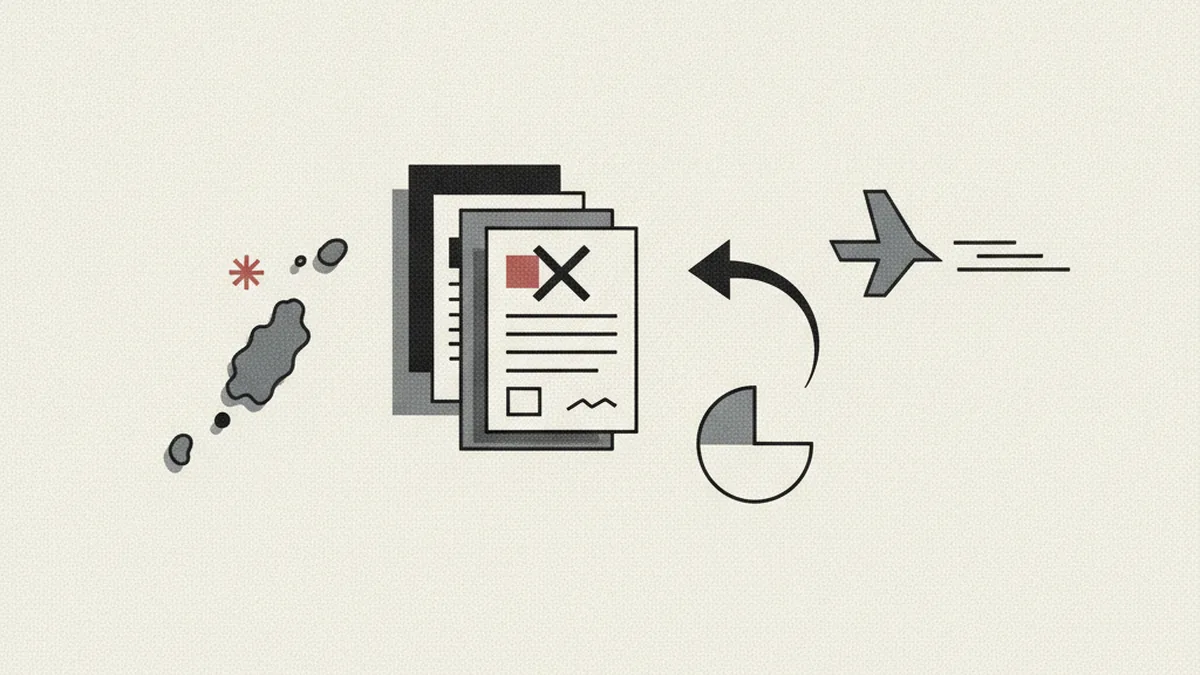
The sentence was sixty-two months, equal to the time he had already spent in Belmarsh prison in London. He walked out of the courtroom a free man and boarded a flight to Australia the same day.
Why an island in the Pacific
Because both sides needed something. A guilty plea in a US criminal case normally requires the defendant to appear before a US court, and Assange was not willing to set foot on the American mainland.
Saipan is US territory with a federal court, it is close to Australia, and it allowed him to fly out afterwards without passing through the continental United States. The venue was a piece of practical diplomacy dressed as a legal formality.
What each side got
| The United States | Assange | |
|---|---|---|
| Headline | A conviction under the Espionage Act | Freedom, immediately |
| Risk avoided | An adverse First Amendment ruling | Extradition and a possible long sentence |
| Precedent | A publisher convicted, no court test | No further prosecution on this matter |
| Cost | The appearance of a deal rather than a verdict | A felony conviction on his record |
What it settled, which is less than it looks
Legally, almost nothing beyond this defendant. A guilty plea produces no reasoned judgment. It sets out no test. It binds no future court.
The central question from the 2019 indictment is exactly where it was: can a publisher be prosecuted for receiving and publishing true classified material? The government now has a conviction to point at and no court has said it cannot do it again.
Why press-freedom groups called it a bad ending
They wanted him free, and they wanted a ruling. Getting the first without the second leaves the charge available as a template while removing the case that might have shut it down.
What a plea cannot do
It produces no reasoned judgment, no legal test, and no binding precedent. The government got a conviction, the defendant got a flight home, and the constitutional question was left exactly where it was found.
- No reasoned judgment was produced.
- No legal test was set out.
- No future court is bound by any of it.
Why either side agreed
By 2024 the case had become expensive for everyone. The government faced the possibility of a British court finally refusing extradition on grounds it could not appeal, or of an American court accepting a First Amendment argument and wrecking the theory for good. Neither outcome was attractive.
The defence faced an opposite risk. He had already lost five years without a trial, his health had deteriorated, and the appeals were running out. A trial in Virginia, in front of a jury drawn from a district full of national-security employees, with no public-interest defence available, was not a promising prospect.
So both sides were negotiating from fear rather than strength, which is usually when deals get done. The terms reflect it: the government took the smallest conviction that let it claim vindication, and the defence took the shortest route to an aeroplane.
How it was received
Relief, mostly, followed by unease. Supporters were glad he was out after five years in a high-security prison and seven before that in an embassy. Press-freedom organisations said much the same while pointing at the precedent.
Critics argued that a guilty plea to an Espionage Act count is an admission and should be treated as one, and that the deal spared him a trial he might well have lost.
Meanwhile, the original subject
Worth restating at the end of fourteen years of litigation. The material at the centre of all of it was a recording of an airstrike in which two Reuters staff were killed, a man was shot for stopping to help a wounded stranger, and two children were badly hurt.
Across those fourteen years, no court examined that airstrike. No charge was brought over it. The only inquiry into it remains the internal one closed in 2007.
A plea deal that closed the case with the question open
So the ledger reads like this. The analyst who leaked the footage served seven years and then another for refusing to testify. The publisher who released it lost fourteen years and now carries a felony conviction. Everyone visible in the recording, and everyone who approved what happens in it, faced nothing at all.
The plea deal did not resolve that imbalance. It stopped the part of it that was still generating headlines. Where things stand since is the next page, and why the other half never happened is the one that explains the shape of the whole thing.
Questions people ask about this
What did Assange plead guilty to?
Why was the hearing in Saipan?
Did the deal settle the press-freedom question?
Where this comes from
- Federal court dockets and filings — CourtListener
- GovInfo federal court records — US Government Publishing Office
- Freedom of the Press Foundation — Freedom of the Press Foundation
Spotted something wrong? Tell us and we will fix it.