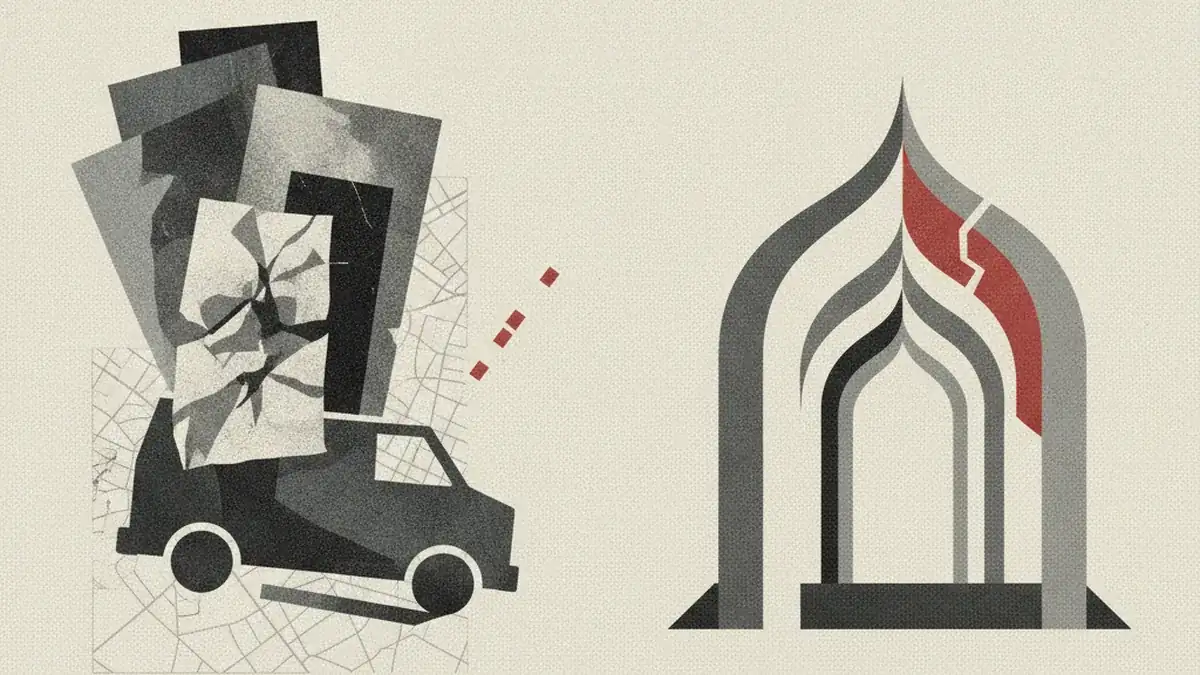
Of all the ways civilians are killed in war, this one has a particular quality: it turns the ordinary human reaction to a disaster into the thing that kills you. People run towards a collapsed building. A second strike arrives while they are doing it.
What the term means
A double-tap is a second attack on the same target shortly after the first, at the moment when survivors, neighbours, medics and family members have gathered. The interval is usually minutes.
The phrase is borrowed from firearms training, where it means two rapid shots. Applied to airstrikes it describes something different and more specific: not two shots at a target, but a second shot at the response to the first.
What it is not
Not every second strike is a double-tap. Salvos are often planned in advance, missiles already in flight cannot be recalled, and a target list can legitimately include two aim points. The word describes an intent, and intent is exactly what the pattern alone cannot prove. Anyone using the term seriously has to acknowledge that.
Where the pattern has been recorded
| Where | Period | How it was documented |
|---|---|---|
| Pakistan, tribal areas | 2009 onwards | Field research by law-school teams and journalists; accounts of rescuers and funeral-goers hit by follow-up drone strikes |
| Yemen | 2012 onwards | Casualty monitoring by investigative journalism groups |
| Syria | 2016 onwards | Civil defence volunteers reporting repeated second strikes on rescue sites |
| Minab, Iran | 2026 | Medics and parents; two impacts confirmed by a UN fact-finding mission |
The effect these accounts describe is consistent: after a few such incidents, people stop going to help. That is the part that outlasts the strike itself. A community that has learned not to approach a bomb site loses its own first response.
What the law actually says
This is one of the least ambiguous areas of the law of armed conflict.
- The wounded who are out of the fight are protected. Once someone is too badly hurt to fight, they may not be attacked.
- Medical personnel and transports are protected, and must be allowed to do their work.
- Civilians who come to help are civilians. Pulling someone out of rubble is not taking part in hostilities.
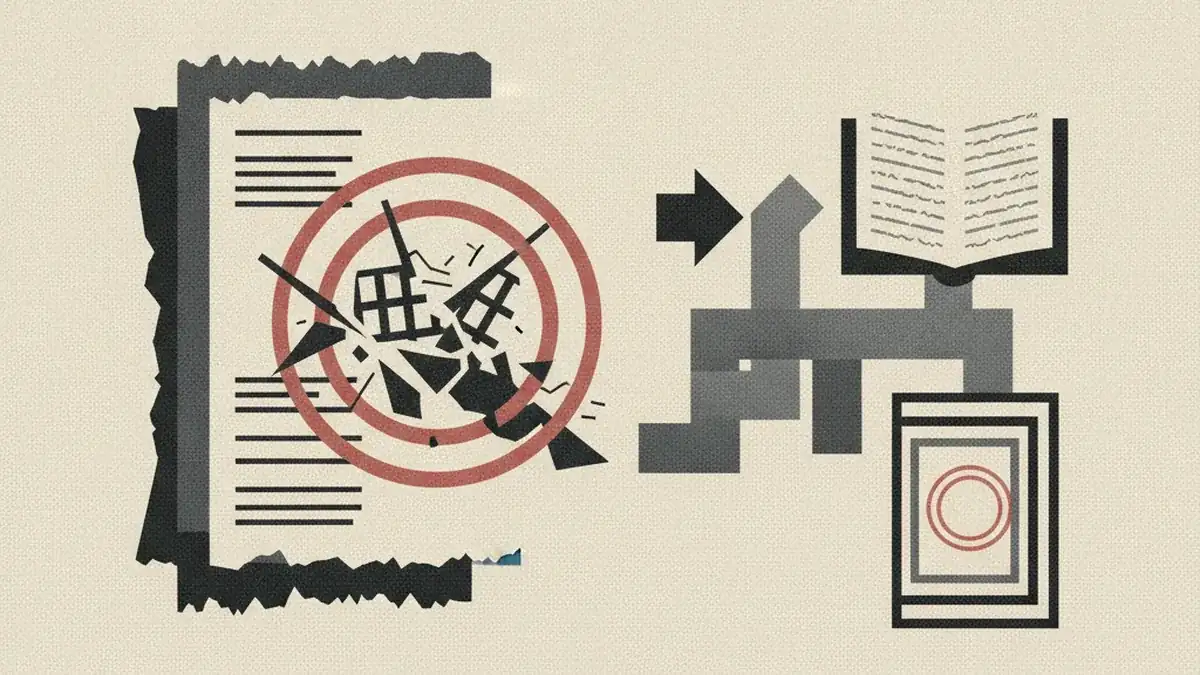
The exception is narrow: armed fighters recovering a comrade to return them to combat, or a vehicle being used to move weapons. The glossary entry sets out the rule, and it is the same rule that the attack on the van in Baghdad runs into.
Helping an injured person is not taking part in hostilities, and it does not make you a target.The rule that the van in Baghdad and the prayer hall in Minab both run into
Why it is so hard to establish
The evidentiary problem in one line
The pattern is visible from outside. The intent is only visible from inside. Establishing that a second strike was aimed at responders needs the targeting record, the radio traffic and the decision log, and those are held by the party being asked about them.
This is the same wall that Reuters hit for three years after 2007, and the reason independent forensic work on blast patterns, timings and munition types has become as important as it has.
Why this archive keeps returning to the pattern
Because the recording from 12 July 2007 is the clearest documentary example that exists. Saeed Chmagh was wounded and crawling. A van stopped. Men got out and began lifting him. The crew asked for clearance and fired, and no weapon appears anywhere in that footage.
What makes that sequence unusual is not that it happened but that it was filmed from the aircraft, with the radio recorded alongside it. Almost every other account of a strike on rescuers rests on witnesses. This one does not, which is why a careful reading of it carries weight far beyond the incident itself.
What a second strike costs beyond the people it kills
It kills the response. Medics who have seen it happen arrive slower or not at all. Neighbours who would have dug someone out stand back. In places where formal emergency services are thin, the people who pull survivors from a building are the people who live nearby, and they are precisely who a follow-up strike hits.
At Minab the ones who gathered were a teacher, a principal and a group of children moved somewhere they were told was safer, and some parents who had been telephoned to come. That is who was in the prayer hall. Whatever a targeting log eventually shows about intent, the effect of a second strike on a rescue point is not in doubt, and it is why this particular pattern is treated as gravely as it is.
Questions people ask about this
What is a double-tap strike?
Is it illegal?
Was the Collateral Murder van a double-tap?
Where this comes from
- Rules protecting the wounded and those who collect them — International Committee of the Red Cross
- Iranian girls killed by double-tap strikes on Minab school — Middle East Eye
- Human Rights Watch reporting on attacks on civilians — Human Rights Watch
Spotted something wrong? Tell us and we will fix it.